Common Eye Problems Decoded: From Scratches to Reading Glasses
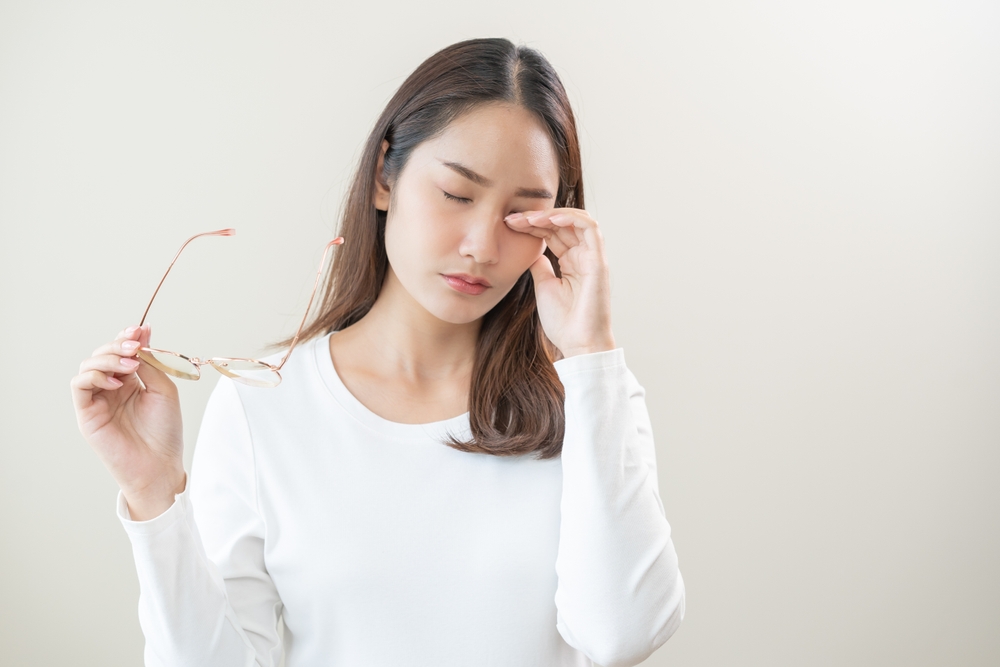
CORNEAL ABRASIONS
Medical Perspective: Corneal epithelial defects typically re-epithelialize within 24-72 hours depending on size and depth. However, residual inflammation and mild stromal edema can persist for an additional 24-48 hours post-healing, causing continued discomfort despite complete epithelial closure. Once inflammation resolves, symptoms improve dramatically.
Everyday Perspective: A corneal abrasion heals like a splinter wound - even after the splinter is removed (or the scratch heals over), you have a day or two of extra soreness from the surrounding inflammation. Your eye might feel scratchy and sensitive for that extra day, but once that final inflammation settles, the relief is immediate and dramatic.
DRY EYE
Medical Perspective: The tear film consists of three layers: lipid (meibomian glands), aqueous (lacrimal glands), and mucin (goblet cells). Meibomian gland dysfunction reduces the lipid layer, increasing tear evaporation rate and causing evaporative dry eye despite adequate aqueous production. Effective treatment requires addressing all three components.
Everyday Perspective: Your tears are like salad dressing - you need the right mix of oil, water, and a binding agent (mucus). If your oil layer is inadequate, your tears evaporate too quickly, leaving your eyes dry and irritated. Just adding more water (artificial tears) doesn't fix it if the oil layer isn't working. We need to restore that proper three-part balance for comfortable, stable tears.
PRESBYOPIA
Medical Perspective: Presbyopia results from progressive loss of crystalline lens elasticity and ciliary muscle effectiveness, reducing accommodative amplitude approximately 0.50-1.00 diopter per decade after age 40. Initial correction typically requires +0.75 to +1.25D, increasing progressively until accommodation is essentially absent by the mid-60s.
Everyday Perspective: After 40, your eye's focusing system starts weakening - think of it like needing about a "dollar" of reading glasses strength. Every few years, you need more "money" to read comfortably as your natural focusing continues to decline. By your mid-60s, you've typically maxed out around $2.50-3.00, and your prescription stabilizes because there's no focusing power left to lose.
MAP


Contact Info
Hours of Operation
- Monday 10:00am - 7:00pm
- Tuesday 8:00am - 4:30pm
- Wednesday 8:00am - 4:30pm
- Thursday 8:00am - 4:30pm
- Friday 7:30am - 1:00pm
- Saturday Closed
- Sunday Closed
© 2026 Everett Eye Care Center & Med Spa. All rights Reserved. Accessibility Statement - Privacy Policy - Sitemap
Powered by:
