Blog list
Everett Eye Care Center & Med Spa Blog
Learn more about optometrist care in our blog!
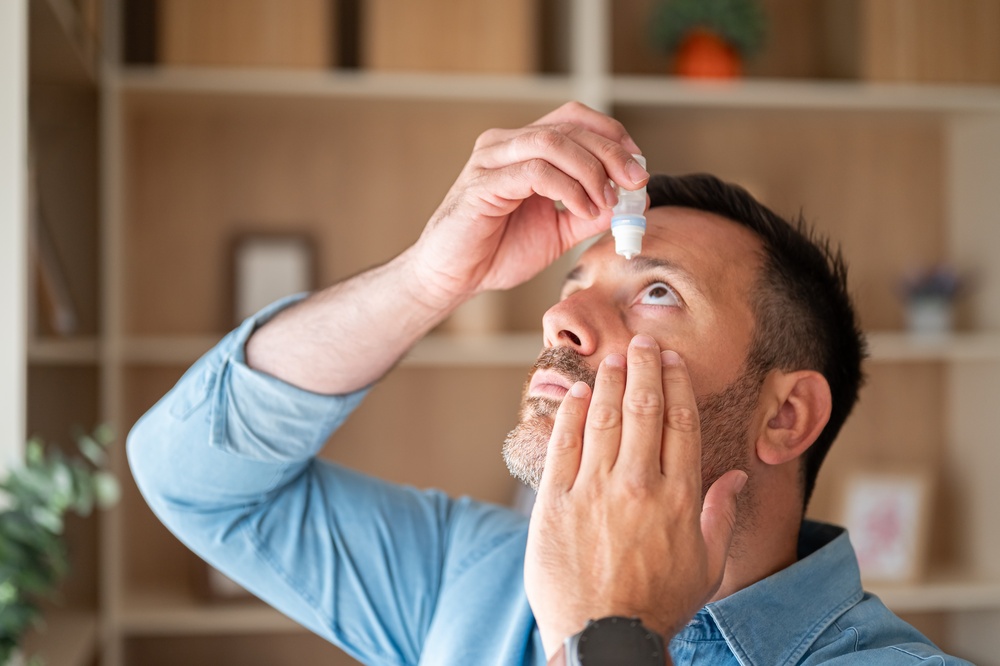
Dry eye is a common condition that happens when your eyes do not produce enough tears or when your tears do not work properly. Healthy tears are important for clear vision, comfort, and protecting the surface of the eye. When the tear film becomes unstable, it can lead to irritation, blurry vision, and ongoing discomfort. We help patients understand the cause of their dry eye symptoms and recommend treatment options based on their needs.
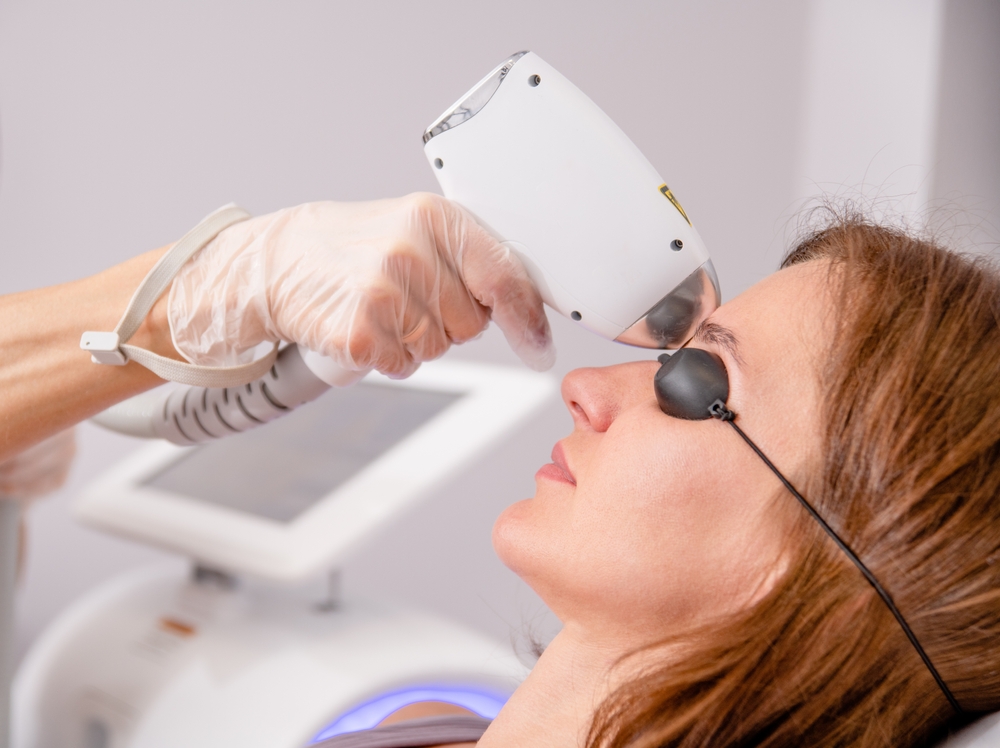
Dry eyes can cause burning, irritation, redness, and fluctuating vision that interfere with everyday activities. At Everett Eye Care Center & Med Spa in Everett, PA, we offer intense pulsed light (IPL) therapy to help manage certain forms of dry eye disease. This treatment targets inflammation associated with meibomian gland dysfunction (MGD) and may also provide aesthetic benefits around the treated areas.

Contact Lens Safety Month is a helpful reminder to review how you wear, clean, and care for your lenses every day. Even small mistakes can lead to irritation, dryness, blurry vision, or eye infections.
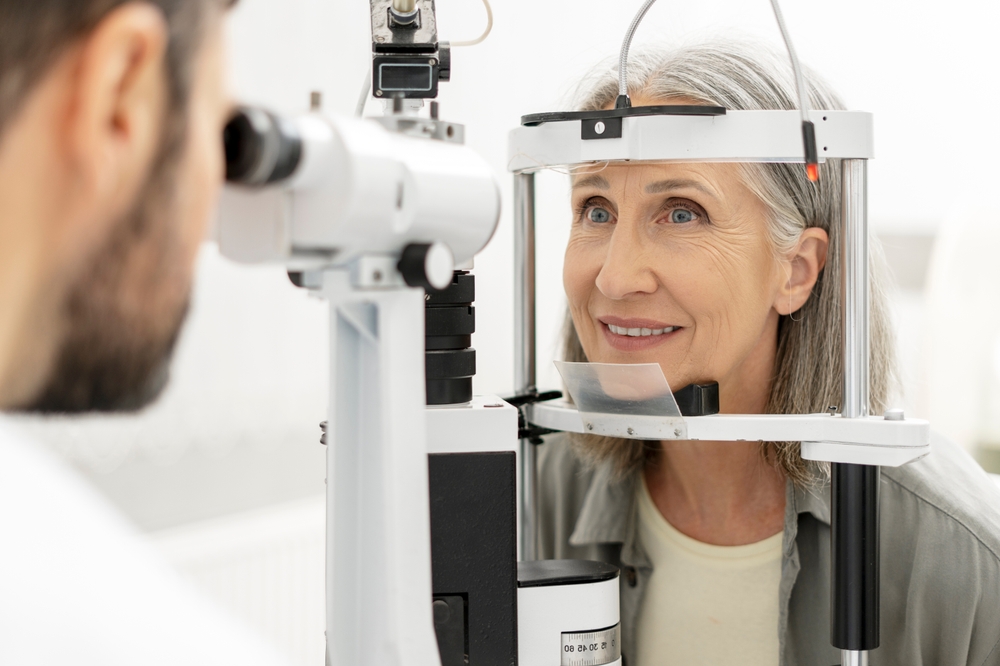
Cataracts are a common vision condition that can develop gradually over time. Because early symptoms may be subtle, many people do not realize their vision is changing until daily tasks become more difficult. Knowing the early signs of cataracts can help you schedule an eye exam before the condition begins to affect your comfort, safety, and quality of life.

Healthy Aging Month is a good reminder that caring for your eyes is an important part of supporting your overall health. As we get older, changes in vision can happen gradually, and some eye conditions may develop without obvious symptoms at first. Regular eye care helps protect your sight, detect concerns early, and keep your vision as clear and comfortable as possible.
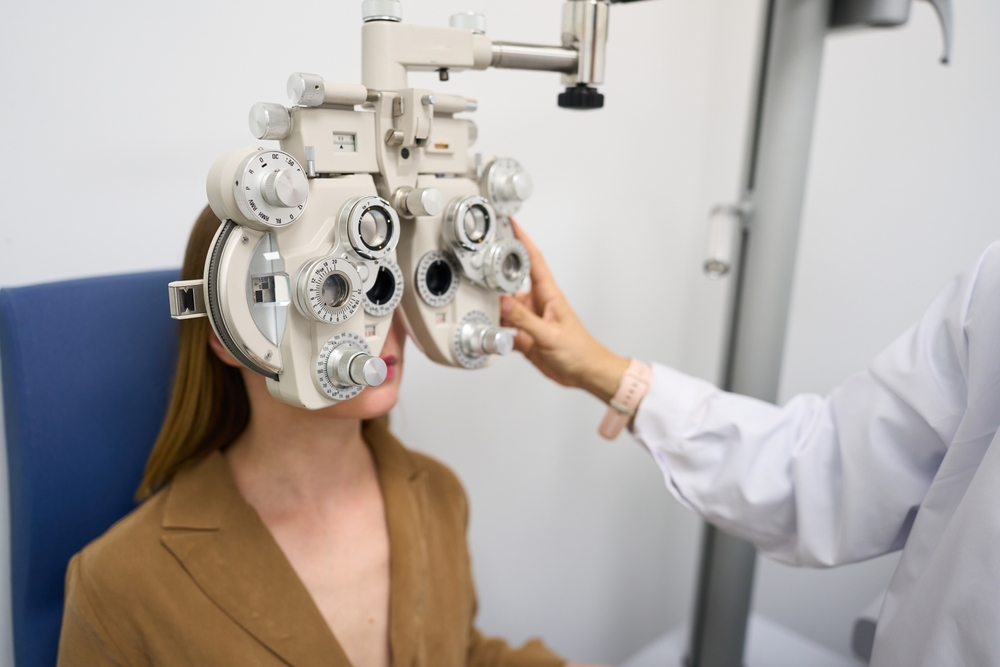
Vision screenings and comprehensive eye exams both help identify vision concerns, but they are not the same. A vision screening is a basic check that may detect possible signs of a problem, while a comprehensive eye exam gives a more complete look at your vision, eye health, and overall visual function.

As students prepare for a new school year, backpacks, supplies, and schedules often get most of the attention. However, clear vision is just as important for classroom success. A back-to-school eye exam helps make sure a child can see comfortably, focus clearly, and keep up with daily learning demands.
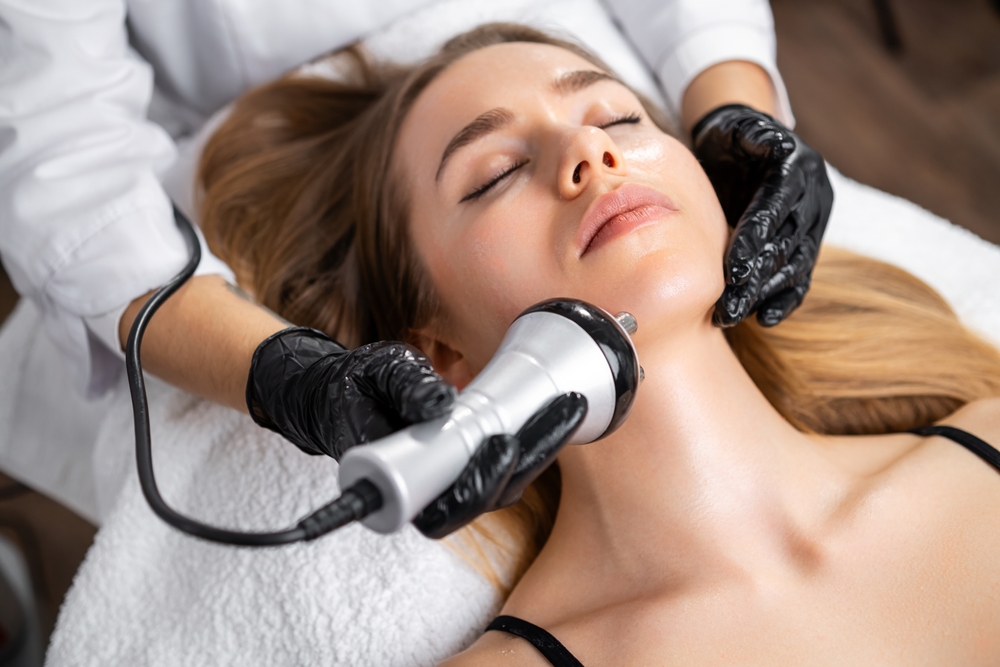
Facial aging is not limited to fine lines on the skin’s surface. Over time, facial muscles can lose tone, while collagen and elastin production slows. These changes may contribute to sagging, softer contours, wrinkles, and uneven texture. TriLift is a non-surgical facial rejuvenation treatment designed to address the muscles, skin, and underlying structure together.
What are the most important aspects of protecting your vision? You're probably thinking of annual eye exams, the right pair of glasses, or maybe sunglasses on a bright day. But one of the most powerful tools for maintaining healthy eyes has nothing to do with an eye doctor's office at all. It's y...
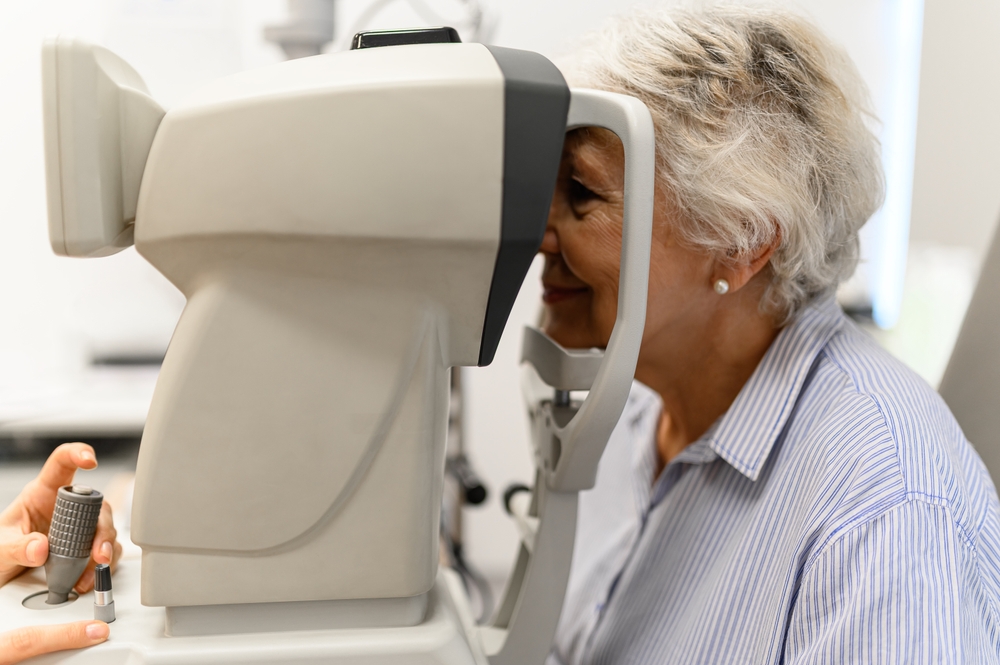
Life with cataracts can be like trying to see through a foggy window that can't be wiped clean. Cataracts are one of the most common eye conditions in the world, and the good news is that they're also one of the most treatable. Here's what you need to know. What Is a Cataract? A cataract is a clo...
MAP


Contact Info
Hours of Operation
- Monday 10:00am - 7:00pm
- Tuesday 8:00am - 4:30pm
- Wednesday 8:00am - 4:30pm
- Thursday 8:00am - 4:30pm
- Friday 7:30am - 1:00pm
- Saturday Closed
- Sunday Closed
© 2026 Everett Eye Care Center & Med Spa. All rights Reserved. Accessibility Statement - Privacy Policy - Sitemap
Powered by:
