
Blog list
Everett Eye Care Center & Med Spa Blog
Learn more about optometrist care in our blog!
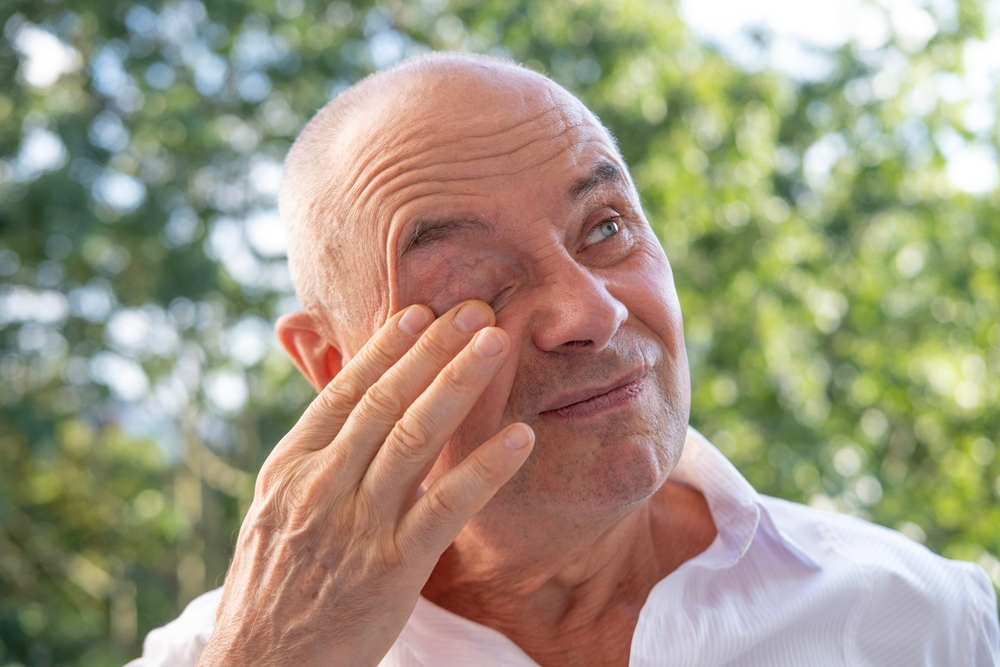
A cataract is one of the most common diagnoses in eye care — and one of the most misunderstood. Most patients hear the word and immediately think surgery, when in reality cataracts develop slowly over years and the decision to operate is rarely urgent. What matters most is understanding where you are in that timeline, how your vision is actually being affected, and what options are available when the time is right.

Fireworks season is one of the most spectacular times of year. The brilliant colors, the dramatic bursts, the collective "ooh" of a crowd watching the sky light up on a warm summer night. But behind the beauty lies a genuine danger that sends thousands of people to emergency rooms every year. As ...

Glaucoma is the leading cause of irreversible blindness worldwide.1 It is also, for most patients, entirely without symptoms until the damage is advanced. There is no pain. No sudden change in vision. Just a slow, progressive narrowing of the visual field that most people do not notice until a significant portion of their peripheral sight is already gone — permanently.

Myopia — commonly called nearsightedness — is one of the fastest-growing ocular health concerns worldwide. It is no longer simply a refractive inconvenience corrected by glasses or contacts. When left unmanaged, progressive myopia significantly increases the lifetime risk of serious, sight-threatening conditions including retinal detachment, myopic maculopathy, glaucoma, and early-onset cataracts.1 The higher the final prescription, the greater that risk becomes — which is precisely why intervening early, rather than simply updating prescriptions year after year, changes the long-term trajectory for your child.

Diabetes is widely understood as a systemic disease — one that affects the heart, kidneys, nerves, and circulation. What is less commonly appreciated is that the eyes are among the earliest and most consistently affected organs. Diabetic eye disease develops silently, often without any change in vision, which means the window for meaningful intervention can close before a patient ever notices a problem.1
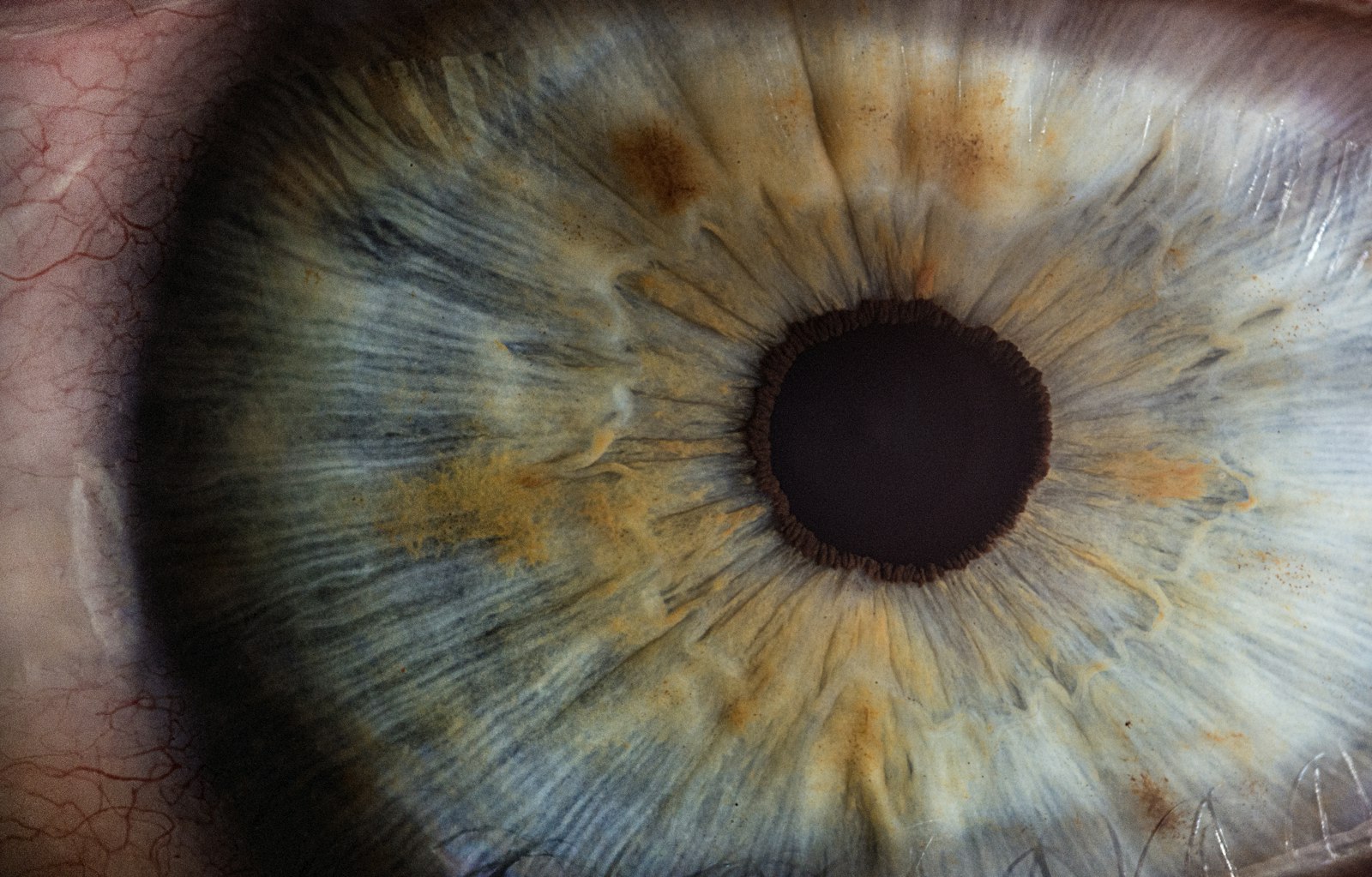
You're going about your day when something strange happens to your field of vision. A flickering arc of light creeps into your vision, or part of your visual field simply disappears. No headache, no warning. Just a sudden, unsettling change in what you see. This is often an ocular migraine, and w...
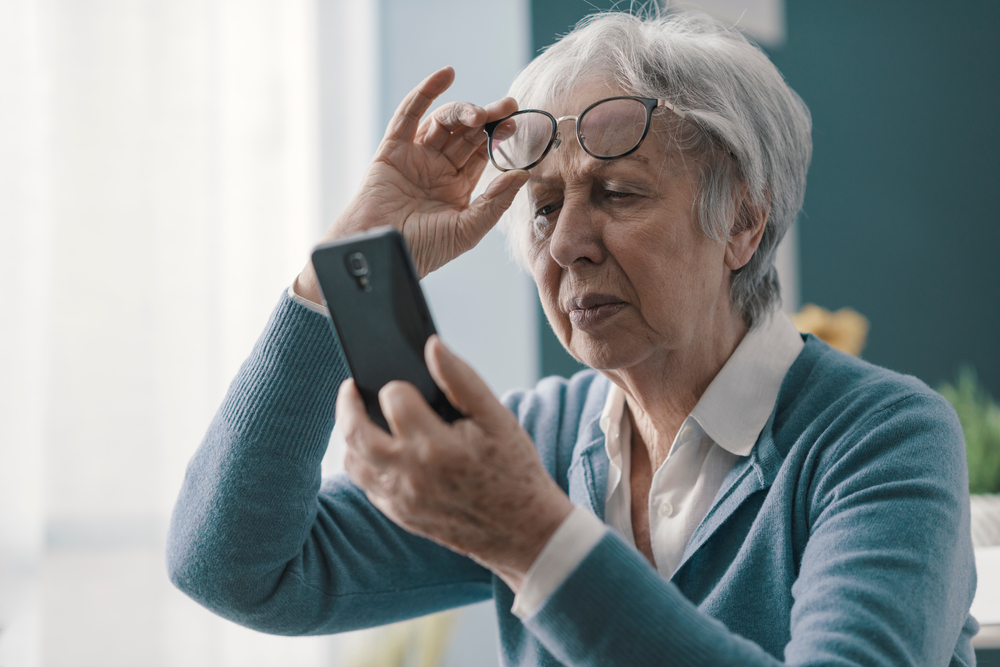
Age-related macular degeneration (ARMD) is one of the leading causes of irreversible central vision loss in adults over 50 in the United States.1 The macula — the small central region of the retina responsible for reading, facial recognition, and fine detail — deteriorates gradually, often silently before any symptoms appear.
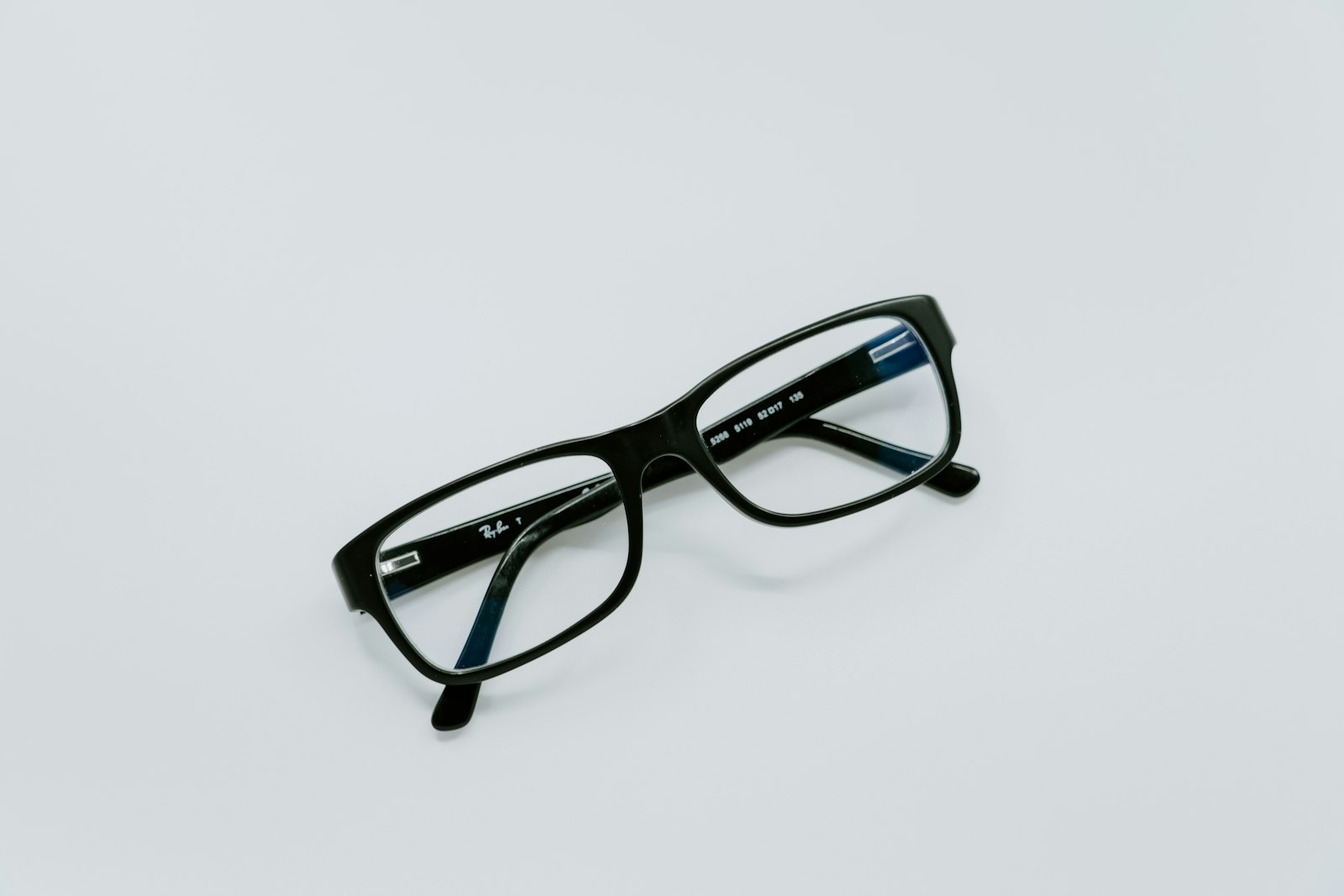
Finding the right pair of glasses is about more than lens strength or brand preference. The frames you choose interact with your natural features every single day, so picking a shape that flatters your face can make a meaningful difference in how you look and feel. The good news: a few simple gui...
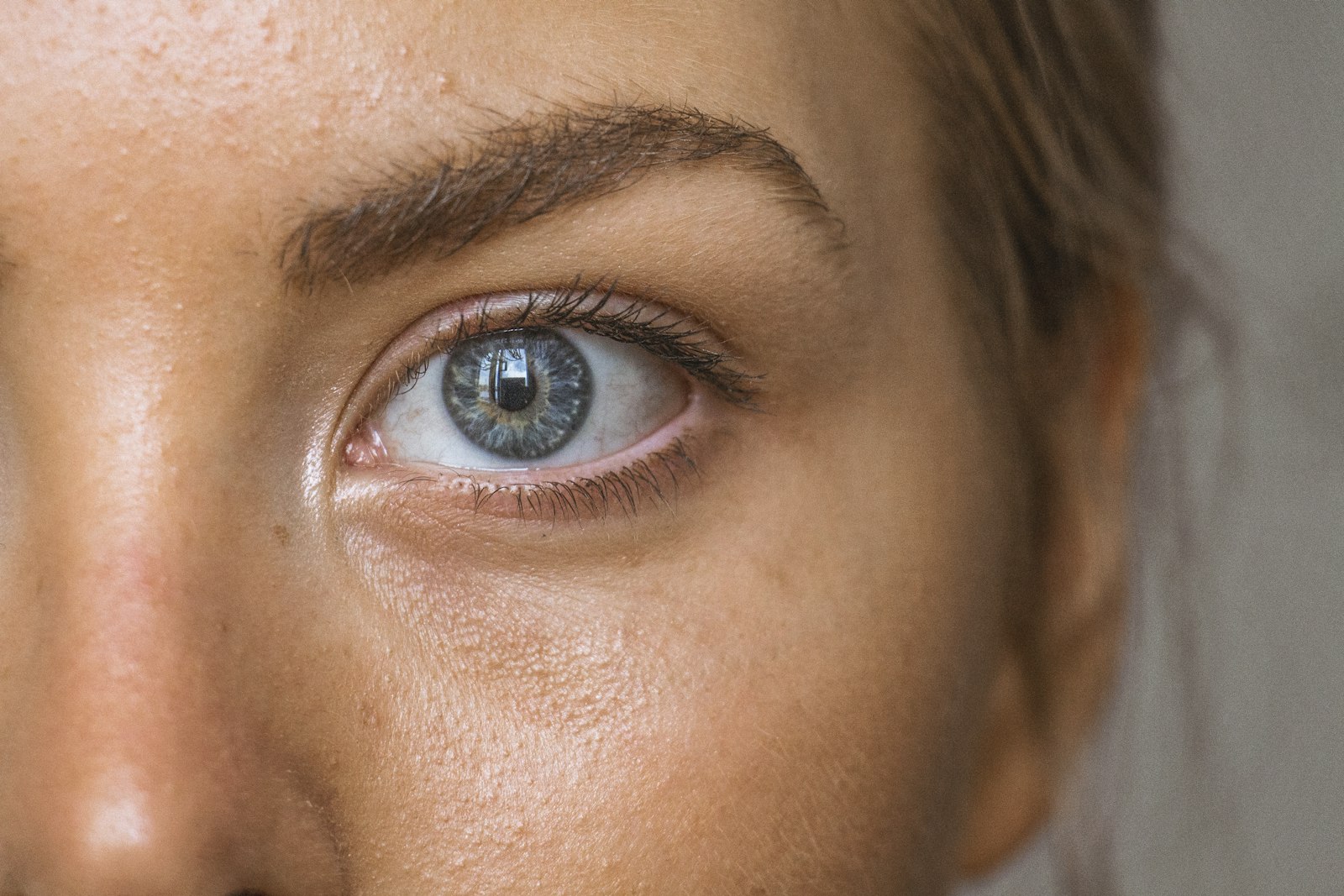
When most people think about eyebrows and eyelashes, they think about aesthetics. But long before they became a focal point of beauty routines and makeup tutorials, brows and lashes evolved for one purpose: to protect your eyes. Understanding what they actually do can deepen your appreciation for...

Dry eye disease affects an estimated 16 million adults in the United States and is one of the most underdiagnosed and undertreated conditions in eye care.1 It is also widely misunderstood. Most patients who live with dry eye for years do so believing it is a minor inconvenience managed adequately with over-the-counter artificial tears — unaware that the underlying cause of their symptoms may be actively progressing in a way that drops alone cannot address.

MAP


Contact Info
Hours of Operation
- Monday 10:00am - 7:00pm
- Tuesday 8:00am - 4:30pm
- Wednesday 8:00am - 4:30pm
- Thursday 8:00am - 4:30pm
- Friday 7:30am - 1:00pm
- Saturday Closed
- Sunday Closed
© 2026 Everett Eye Care Center & Med Spa. All rights Reserved. Accessibility Statement - Privacy Policy - Sitemap
Powered by:
